Tools and providers
Part of Questions UK brands should ask a bilingual social media agency
Questions UK brands should ask a bilingual social media agency
Vet a bilingual social media agency in the UK with five practical questions covering British English localisation, GDPR duties, cost and exit terms.
What to take away
- Ask how the agency separates British English editing from translation, and whether it can handle Welsh or Urdu briefs without subcontracting blind.
- Test data protection answers against the ICO's UK GDPR guidance before you send any customer list.
- Get the reporting model in writingwhich language, which platform, which owner.
- Price the exitwho keeps the assets, the ad accounts and the translated files.
Start with the audience you can evidence
A bilingual social media agency sells reach, so ask which audience it has actually worked with. Census language data from the Office for National Statistics gives you a baseline to hand a supplier instead of a guess.
ONS language data baseline
Main language and proficiency recorded
Not buying behaviour
Any campaign leap must be argued
If a proposal claims a language community, the agency should name the data or the client work behind it.
Put the census figures for your own area in front of the agency and ask what they cannot tell you. The ONS language data records main language and proficiency, not buying behaviour, so any leap from table to campaign plan should be argued, not assumed.
Ask about British English, not just translation
American spellings, US date formats and dollar pricing read as careless to a British audience. A useful test is to hand over one page of your own copy and ask for British English plus a second-language version, with every change marked.
Translation vs British English edit
Translation only
- Spelling
- American
- Dates
- US format
- Pricing
- Dollar
- Changes
- Unmarked
- Proofing
- Unclear
British English edit
- Spelling
- British
- Dates
- UK format
- Pricing
- Pound
- Changes
- Every change marked
- Proofing
- First-language editor
Suppliers worth shortlisting describe their editing layer, not only their translation memory. Ask who proofs the final post, and whether that person writes British English as a first language.
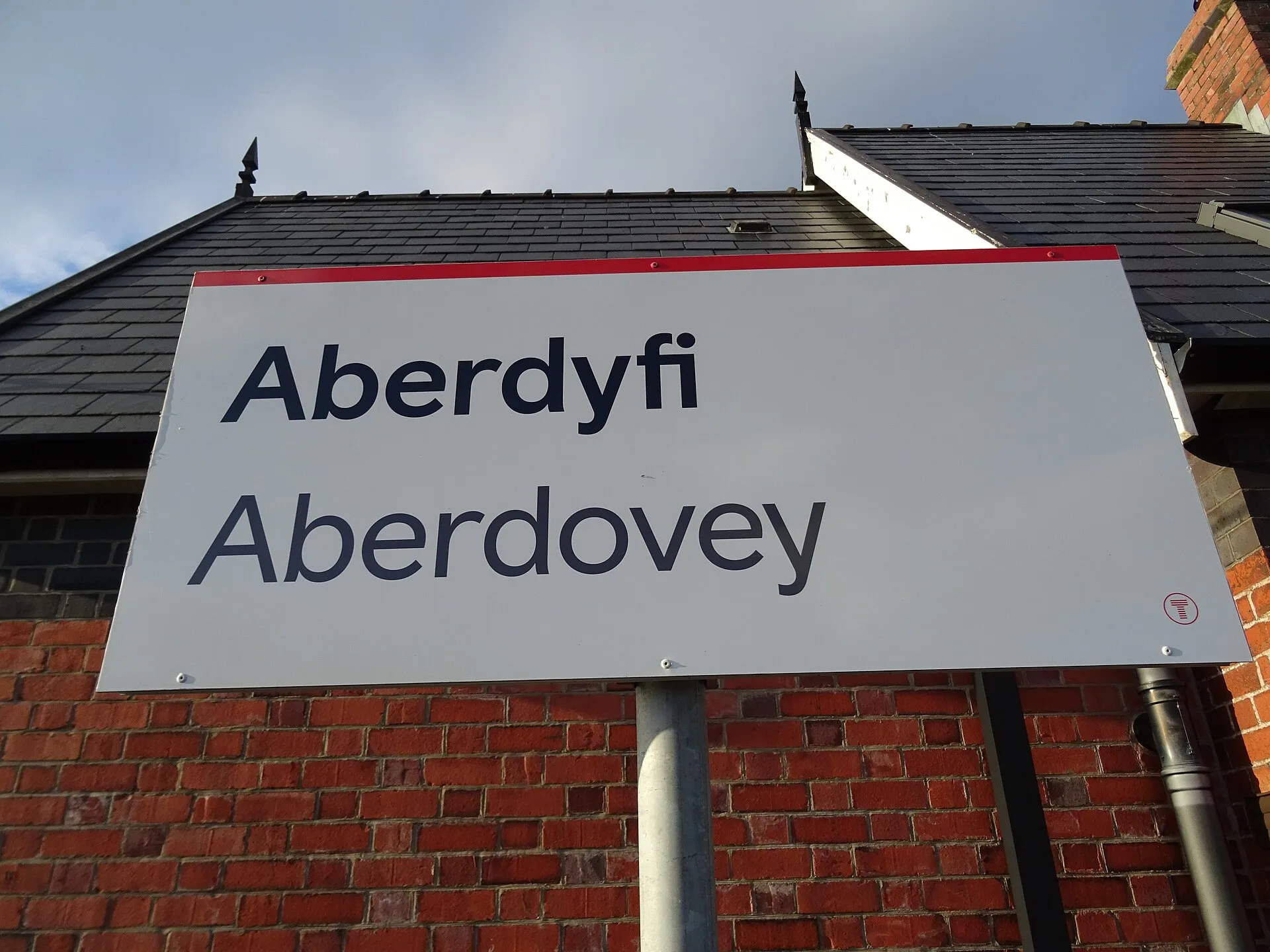
For campaigns aimed at Wales, Welsh and English need to run as parallel routes rather than an afterthought. Our guide to localising for Welsh and English audiences covers the approval steps that difference creates.
A five-question checklist for the first call
- Which languages sit in house, and which are subcontracted? Ask for the split as a share of last year's output.
- Who signs off the British English version, and who signs off the other language? Name the role, not the job title.
- How are paid partnerships and gifted content labelled in a second language? The labelling rules do not change with the language of the post, as the ASA explains in its guidance on recognising ads on social media.
- What happens to translated files, ad accounts and pixels if we leave? Ask for the handover list before you sign.
- How will performance be reported by language, and what will you admit you cannot attribute?
Compliance answers to test before you sign
Any agency handling your customer data is a processor, so the contract needs a data processing clause. Ask where comment moderation, direct messages and lead forms are stored, and which sub-processors sit behind each one.
The ICO's UK GDPR guidance hub sets out what good answers look like on retention and lawful basis.
Ask too how a complaint written in Polish or Urdu reaches someone who can act on it. Escalation times and named owners matter more than a promise of native speakers on every shift.
Compare the answers on one page
Score the replies before you talk money. A weak answer is not a lie, but it shows where the work will land on your desk.
Weak answer
- British English
- We translate into English
- Language cover
- We can find anyone
- Data protection
- We are compliant
- Reporting
- We share dashboards
- Exit
- We will help
Strong answer
- British English
- We edit into British English and log the changes
- Language cover
- Named in-house and vetted freelance capacity
- Data protection
- Processing clause, retention period, named sub-processors
- Reporting
- Language-level metrics with stated gaps
- Exit
- Handover list with dates and file formats
Price the work and the exit
Weekly retainers, project fees and per-language day rates carry risk differently. A low per-post rate often hides editing, community management and reporting hours. Our comparison of multilingual pricing structures sets out which model leaves the client holding the risk.
Then price the exit. Ask for the file formats and account ownership in writing, plus the notice period, before you sign anything.
Common questions
Can a bilingual agency in London cover Welsh-language work?
Only if it can show Welsh-language output and editing capacity rather than promising it. Welsh has official status in Wales under the Welsh Language Act 1993, so public bodies and publicly funded campaigns often expect Welsh-language provision alongside English.
What should a bilingual agency cost in the UK?
No honest market rate exists, so compare structures rather than headline numbers. Ask for hours split by language, artworking, community management and reporting, then add your own review time before deciding.
Which compliance questions matter most?
Data protection, ad labelling and how a complaint in another language reaches a decision maker. Ask for the retention period on comments and messages, and the name of the person accountable for a bilingual escalation.
How do we test an agency before a full contract?
Commission one two-language campaign with a fixed end date and a handover requirement. Judge the editing notes, the language-level reporting and the exit list rather than the pitch.