
Tools and providers
How to read a multilingual social media brief before you quote for it
A practical guide to reading a multilingual social media brief: naming languages, setting approval owners and rollback points before you quote or build ad sets.
What to take away
- A quotable brief names each language, its locale, its platform and its creative count.
- Each language line carries a named approval owner and a turnaround in working days.
- Rollback points, pause triggers and swap dates are agreed before spend starts.
- If a line cannot become an ad set, a response rota or a report, it belongs in discovery.
- Price the work only after the client signs the language list and the account structure.
Name the languages before you name a price
A brief that says "multilingual audiences in England" gives you nothing to cost. Ask for a ranked list of languages, the platforms for each and the areas where they run. Polish, Urdu, Punjabi, Bengali, Romanian and Arabic appear often in English city campaigns; Welsh matters when a brand also trades in Wales.
Languages ranked by reach
- Polishhigh reach
- Urduhigh reach
- Punjabihigh reach
- Bengalihigh reach
- Romanianhigh reach
- Arabichigh reach
- Welshmatters in Wales
Use official data to order that list instead of inheriting someone else's guess. The ONS language topic page gathers census figures on Welsh and other language speakers, which helps you rank languages by reach before you commit.
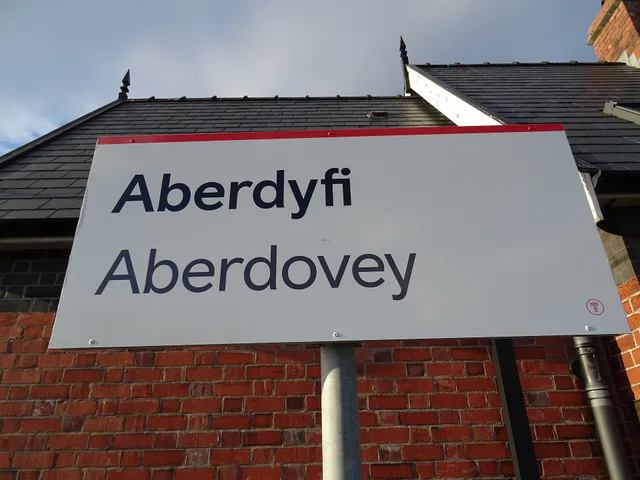
Public bodies in Wales can be bound by Welsh language standards, so bilingual creative is a duty there rather than a preference. UK multilingual campaign scoping usually stalls at this point, because the client has never had to write the language list down.
Turn vague asks into testable brief lines
Testable brief lines
| Brief line | Testable version | Effect on ad setup |
|---|---|---|
| "Bilingual creative" | Welsh and British English, four statics, two Reels | Two ad sets per language in Ads Manager |
| "Community management" | One Welsh-speaking responder, 08:00 to 16:00, Monday to Friday | Cover rota and escalation route |
| "We approve copy" | Named approver per language, two working days | A 48-hour buffer in the schedule |
| "Moderate comments" | Reply within four hours, hide list agreed in advance | Moderation rules and reporting |
A table like this separates a brief from a wish list. Each row becomes an ad set, a rota shift or a report column, so your quote covers the multilingual social marketing requirements the client actually wrote down.
Vague brief vs testable brief
Brief line
- Bilingual creative
- Welsh and British English
- Community management
- One Welsh responder 08:00-16:00
- We approve copy
- Named approver per language
- Moderate comments
- Reply within four hours
Testable version
- Bilingual creative
- Two ad sets per language
- Community management
- Cover rota and escalation
- We approve copy
- 48-hour buffer
- Moderate comments
- Moderation rules and reporting
Ad setup effect
- Bilingual creative
- Community management
- We approve copy
- Moderate comments
Example: a two-market brief rebuilt for Wales and England
Original line: "Bilingual creative for Wales and England, plus community management." On its own, that sentence cannot be priced.
Rebuilt: four Welsh statics, two Welsh Reels, four British English statics, one Welsh-speaking responder on an 08:00 to 16:00 rota and a named approver in Cardiff. Add a pause trigger if cost per click doubles against the British English ad set after 72 hours.
Approval owners, rollback points and the rules behind them
Ad labels are a per-language job. ASA guidance on recognising ads on social media explains how paid partnership and ad labels must appear, so your brief should name who checks them in each language.
Retargeting lists built per language need a lawful basis. ICO guidance on direct marketing covers consent and targeting rules, and it applies to the audiences your ad sets will use.
Five steps from brief to quotable scope
- Rewrite every language line as an ad set, a platform and a creative count.
- Attach a named approval owner per language and a turnaround in working days.
- Agree rollback pointsspend caps, pause triggers and swap dates.
- Confirm the consent route for any retargeting or social listening.
- Issue a change log with each revision so extra scope is priced, not absorbed.
Run a bilingual social media brief checklist
- Language list ranked, with a locale and a platform for each.
- Named approver and working-day turnaround per language.
- Creative counts, formats and file deadlines.
- Rollback points, spend caps and pause triggers.
- Data and consent route signed off by the client.
Send this checklist with the quote. A client who cannot fill it in is asking you to scope the work for free.
Where the brief feeds the campaign plan
A signed brief feeds two documents. The first is the ad build: language, placement and creative count decide how many ad sets you create, which the guide to multilingual Instagram ads in the UK sets out in five steps.
The second is media planning. Three scenarios for multilingual social marketing each list the indicators that would change the view, so you can tie your quote to defined outcomes rather than a hunch.
If your brief supports neither document, it is not ready for a price.
Common questions
What belongs in a multilingual campaign brief template?
Named languages, locales, platforms, creative counts, approval owners, timings, consent routes and rollback points. Anything else is background reading.
Which languages should a UK brief cover first?
Start with the languages the client already serves and the areas where they trade. Census data on main language in England and Wales is a sound starting point.
Who signs off each language?
One named person per language, with a deputy. A team name is not an approval owner and will slow the build.
When should you brief a multilingual agency?
Before creative production, not after. Language, format and approval decisions all change the ad structure.