Rules and ethics
How Scotland and England language policies differ for multilingual social marketing
Multilingual social media in the UK runs on two policy systems: Scotland's Gaelic plan regime and England's market-led rules. Here is how to work across both.
What to take away
- Scotland runs a statutory Gaelic language plan regime under the Gaelic Language (Scotland) Act 2005, overseen by Bòrd na Gàidhlig. England has no comparable duty for Gaelic or any other minority language.
- Public bodies with plans, including Comhairle nan Eilean Siar, NHS Highland and Glasgow City Council, treat Gaelic social content as a plan commitment rather than an optional translation.
- England's framework is market-ledthe ASA governs ad content, the ICO governs data, and DCMS covers wider media policy, with Ofcom and the CMA in their own remits.
- One campaign can serve both systems if you split the policy layer from the shared creative layer, run two compliance tracks and report once.
- England publishes no market total for multilingual social work, so count commissions and briefs instead of chasing a national figure.
Why this matters for multilingual social marketing
This policy comparison matters because it shapes how bilingual and multilingual social campaigns are planned, approved and reported in the UK.
In Scotland, Gaelic social content can be a plan commitment, so it belongs in the content calendar and approval workflow. In England, language choice comes from audience data, so the same campaign may use Urdu, Polish or another community language where the evidence supports it.
For social marketers, the practical task is one creative system with two compliance and evidence tracks. That keeps the campaign idea consistent while respecting each regime. Use this guide to brief, price and report multilingual social work across both markets.
Scotland's Gaelic language plan regime
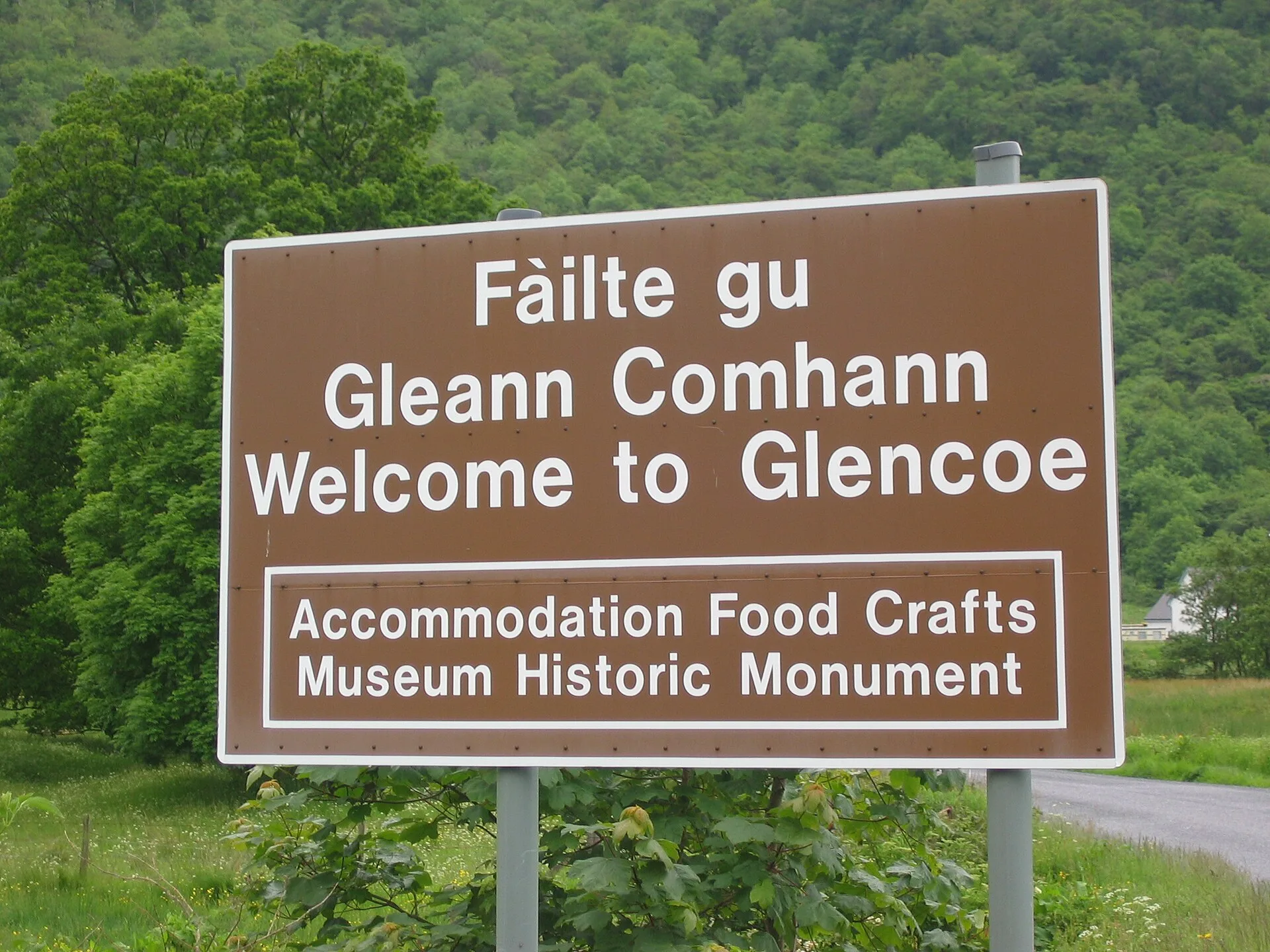
Scotland's system is statutory and plan-based. The Gaelic Language (Scotland) Act 2005 lets Bòrd na Gàidhlig require named public bodies to prepare Gaelic language plans. Those plans set out how Gaelic appears in services and public-facing communications.
The body also holds the funding and promotion role, described on the Bòrd na Gàidhlig overview page.
Published plans exist for Comhairle nan Eilean Siar, NHS Highland and Glasgow City Council, among others. Confirm the current list with the client before you price anything.
Scotland vs England language policy
Scotland
- Statutory basis
- Gaelic Language Act 2005
- Mechanism
- Gaelic language plans
- Lead body
- Bòrd na Gàidhlig
- Client commitment
- Bilingual publishing duty
England
- Statutory basis
- No equivalent duty
- Mechanism
- Market-led rules
- Lead body
- No single owner
- Client commitment
- Business case from data
Three practical consequences follow for a social brief. Gaelic content is a plan commitment, so it is not optional. It usually runs on the same channels as the English version. A named Gaelic lead signs it off, and that person may sit outside the marketing team.
Scotland's language mix is not only Gaelic. Glasgow Gaelic, Urdu and Polish activity shows how one city audience can need three languages at once.
Check current Scottish duties on the Scotland legislation hub rather than relying on a supplier summary.
England's market-led framework and who polices it
England has no language plan duty covering Gaelic, Cornish or community languages. The case for a second language rests on audience evidence, not on a statutory commitment.
Five bodies shape the work. The Advertising Standards Authority writes and enforces the advertising codes, whatever language an ad uses. The ICO enforces data protection, including consent and lawful basis for targeted ads.
DCMS covers media, advertising and the creative industries. Ofcom covers video services, and the CMA covers misleading claims and consumer protection.
Because no single body owns language policy, English brands choose languages from data. The ONS publishes language and population tables through its ONS census hub.
Translated posts still need clear ad disclosure under the ASA CAP Code rules, and Gaelic posts are no exception.
Example: one campaign across two regimes
A Scottish health body with a Gaelic language plan wants activity in Manchester and Birmingham. Gaelic is a plan commitment, so it runs. The English cities get community languages chosen from census data.
- Confirm the client's plan and the named Gaelic reviewer before writing the brief.
- Brief the Gaelic assets first, because review is a scheduled stage and not a same-day check.
- Choose England's languages from ONS census data rather than from any plan.
- Report Gaelic plan delivery and English audience outcomes in one document.
Cross-border launch checklist
- Confirm Scottish client's Gaelic language plan
- Name Gaelic reviewer and book time
- Check ASA and ICO for paid formats
- Confirm platform support for Gaelic text
Two compliance tracks can share one creative idea. They cannot share one approval deadline.
Gaelic translation and review are quoted per commission. No published rate card exists, so treat supplier figures as a quote for that brief. Learn how to price translation per word before the budget line is fixed.
Comparing the two regimes
Scotland
- Statutory language plan duty
- Yes, Gaelic language plans
- Lead body
- Bòrd na Gàidhlig
- Approval route
- Gaelic lead plus marketing and legal
- Evidence standard
- Plan delivery and public reporting
- Channel pattern
- Gaelic and English on the same platforms
England
- Statutory language plan duty
- No equivalent duty
- Lead body
- DCMS, with ASA, ICO, Ofcom and CMA
- Approval route
- Marketing and legal, language specialist optional
- Evidence standard
- Audience data and campaign metrics
- Channel pattern
- Language by audience concentration
Two rows decide how you work. The approval route sets your timeline, and the evidence standard sets your report. Neither system prevents one campaign across both, but that campaign carries two compliance stories.
Common questions
Does England have a Gaelic language plan regime?
No. The plan system is Scottish, created by the Gaelic Language (Scotland) Act 2005. England has no equivalent duty for Gaelic or other minority languages.
Who oversees Gaelic language plans in Scotland?
Bòrd na Gàidhlig promotes Gaelic and oversees the plan system, including the requirements it places on public bodies.
Can one social campaign satisfy both systems?
Yes, if you run two compliance tracks under one creative idea. Give one owner both tracks, with a Gaelic reviewer for Scotland and a data lead for England.
Which English bodies matter most for multilingual social ads?
The Advertising Standards Authority for ad content, the ICO for data and targeting, and DCMS for wider media policy.