
Strategy
Part of TikTok and Instagram for multilingual UK content
TikTok and Instagram for multilingual UK content
TikTok and Instagram suit different multilingual workflows in the UK. Compare formats, discovery, localisation and disclosure to choose an approach.
What to take away
- TikTok often needs separate recordings when each language has its own spoken hook.
- Instagram can carry two languages in one post through captions, carousel cards and on-screen text.
- The extra work differsTikTok may add recording and editing; Instagram may add writing, subtitles and reply cover.
- Choose TikTok where a language community already posts in that language, and Instagram where the feed is mixed and comments carry the conversation.
- Neither platform tells you whether the audience wants that language, so test before committing budget.
The format sets the language count
TikTok is sound-led and full screen. Two languages in one clip compete for the same ear, so most accounts publish separate videos for each language. That is easy to explain and expensive to shoot.
Instagram spreads the message across a carousel, a caption and on-screen sticker text. One post can carry English and Polish, or English and Welsh, without a second filming day.
Where the language demand sits in the UK
The ONS publishes census language data for England and Wales, including main language and Welsh language skills. These data can help identify languages to consider, but they do not show which languages people use on social platforms. Alongside Welsh and Polish, a UK brand might test Punjabi, Urdu or Romanian where it has a relevant audience.
No platform publishes a UK breakdown of posting language. The question is not which platform has more multilingual users, but where you can test cheaply this quarter.
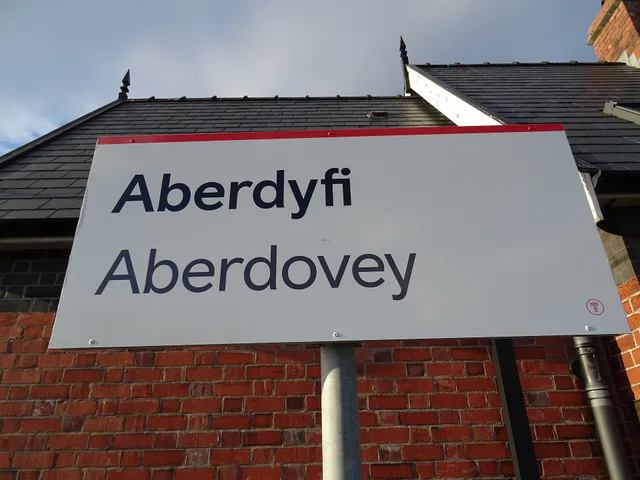
Welsh-language content is the clearest example because the census collects it directly, but the same test applies to any language a UK brand wants to reach.
TikTok and Instagram compared for multilingual UK work
A TikTok multilingual content strategy for the UK starts with format, not follower counts. This comparison shows how the two platforms handle language, discovery and the work involved.
| Area | TikTok | |
|---|---|---|
| Format and language | Full-screen, sound-led video. TikTok’s auto-generated captions can make speech readable; check them and add translated subtitles if needed. A separate recording can give each language its own spoken hook. | Captions, carousel cards and Stories text can carry separate language versions. Instagram’s “See translation” option can translate captions and comments for viewers where available. |
| Discovery | For You recommendations can surface a language-specific video beyond an account’s followers. | The follower graph and in-app search matter; bilingual followers and language-specific keywords can help discovery. |
| Work to budget for | Recording and editing another version when each language needs its own hook. | Writing and designing another language version, plus comment and direct-message cover. |
TikTok vs Instagram for Multilingual UK
TikTok
- Second language carrier
- Separate video
- Cost driver
- Re-shoot and re-edit
- Discovery route
- Interest graph, search
- Conversation
- Public comments, duets
- On-screen text
- Short, thumb-stopping
- Main metrics
- Views, watch time, shares
- Second language carrier
- Caption, carousel, stickers
- Cost driver
- Rewriting and subtitles
- Discovery route
- Followers, Reels, search
- Conversation
- Comments, direct messages
- On-screen text
- Longer, reader's pace
- Main metrics
- Reach, saves, replies
How discovery and hashtags differ by language
TikTok serves video to people who have watched similar video, so a Welsh-language clip can reach viewers who do not yet follow the account. Multilingual TikTok trends in the UK do not move as one wave; each language community picks up a format at its own pace.
Instagram leans on the follower graph and in-app search, so a bilingual account usually needs bilingual followers before reach builds. TikTok Creative Center’s hashtag and trend pages, alongside Instagram’s in-app search, can help you research each language separately. Test native phrases such as #Cymraeg rather than translating a hashtag list literally, which is why multilingual hashtag research starts from scratch rather than translating a list.
What localisation actually changes
Localisation is not translation. Language localisation describes adapting meaning and reference points so a message lands in a market, and that is the work each platform needs.
On TikTok, the hook is spoken, so localisation means re-recording it. Subtitling a hook that does not land leaves a hook that does not land.
On Instagram, the first caption line carries the post, so localisation means rewriting that line for each language.
Paid reach and disclosure in two languages
Paid posts need a clear label in whichever language the ad runs. The ASA’s “Recognising ads: Social media and influencer marketing” guidance explains how people should be able to recognise social media advertising. For example, an English/Welsh creative can label the promotion “Ad / Hysbyseb” so the disclosure is clear in both languages.
A test sequence for UK brands
A test sequence
- Name the two languages you can answer comments in for six weeks.
- Publish three posts per language on each platform, one offer, one week.
- Count replies written in each language, not views of the post.
- Ask one question per language and note which one gets answered.
- Compare cost per reply rather than cost per post.
- Keep the platform that produced replies you could actually answer.
Community replies decide the winner
Views that produce no replies are broadcast, not conversation. TikTok comments arrive fast and in public. Instagram replies often move into direct messages, which needs someone fluent on shift.
Budget for that person before you budget for the shoot. A workable rota is set out in our guide to multilingual community management.
Common questions
Does TikTok or Instagram perform better for bilingual TikTok UK campaigns?
Neither platform is better in the abstract. TikTok suits audiences who already publish in that language, while Instagram suits mixed-language feeds where one post has to work twice.
Should I put two languages in one TikTok video?
Usually not. The format is sound-led, so two spoken languages compete. Publish two videos and let the algorithm serve each one to the right viewers.
How much more does a second language cost?
There is no standard uplift: a second TikTok language may add recording and editing, while a second Instagram language may add copy, design and subtitles. Price the extra work in your own workflow, including language-capable comment cover on either platform, and compare it with your current costs.
Do Welsh and English posts need different treatment?
Each language gets its own hook and its own first caption line, whichever platform you use. That is a localisation decision, not a platform one.